Skip links

About

Welcome to the World Samurai Federation—uniting martial artists worldwide through honor, discipline, and the Samurai spirit.

About us

WORLD SAMURAI FEDERATION- JAPAN.

Affiliated By:- USA World Sport For All Game London

Trusted by global brands

Our story

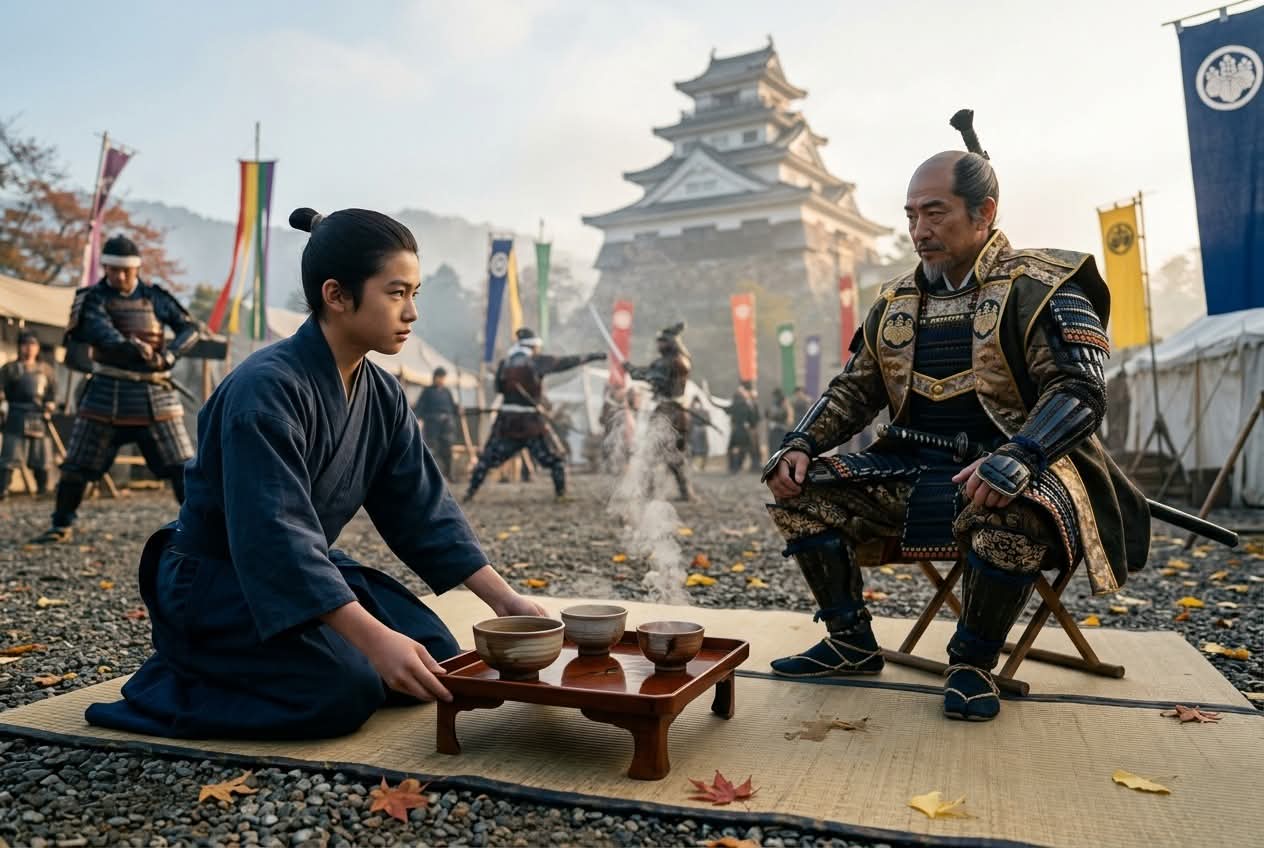
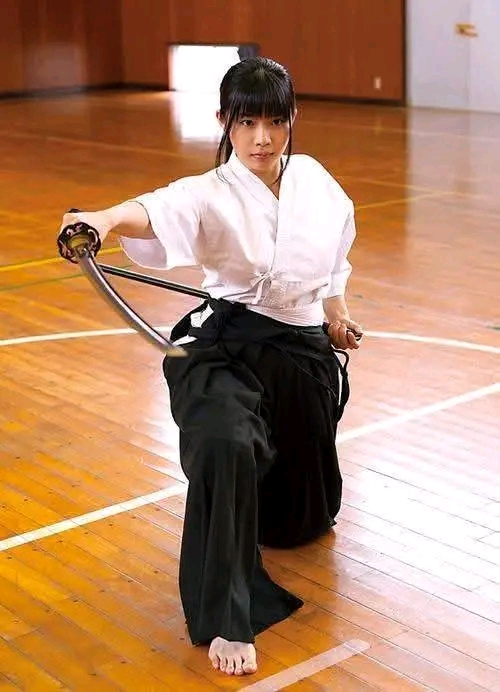
The Katana became a symbol of the Samurai spirit and honor. Sengoku Period (1467–1615) This was Japan's age of constant warfare. Famous Samurai leaders included: Oda Nobunaga Toyotomi Hideyoshi Tokugawa Ieyasu These leaders helped unify Japan after many years of civil war. Edo Period (1603–1868) Under the Tokugawa Shogunate: Japan experienced long-term peace. Many Samurai became administrators, teachers, and government officials. Martial arts, culture, and philosophy flourished. Decline of the Samurai During the Meiji Restoration: Japan modernized its military. Samurai privileges were abolished. A national conscript army replaced the Samurai class. By the late 19th century, the Samurai era had officially ended. Samurai Legacy Today, Samurai traditions continue through: Japanese martial arts Traditional Swordsmanship Ethics inspired by Bushidō Japanese culture, literature, and cinema The Samurai remain one of the most respected symbols of Japanese history, representing honor, discipline, courage, loyalty, and self-mastery.

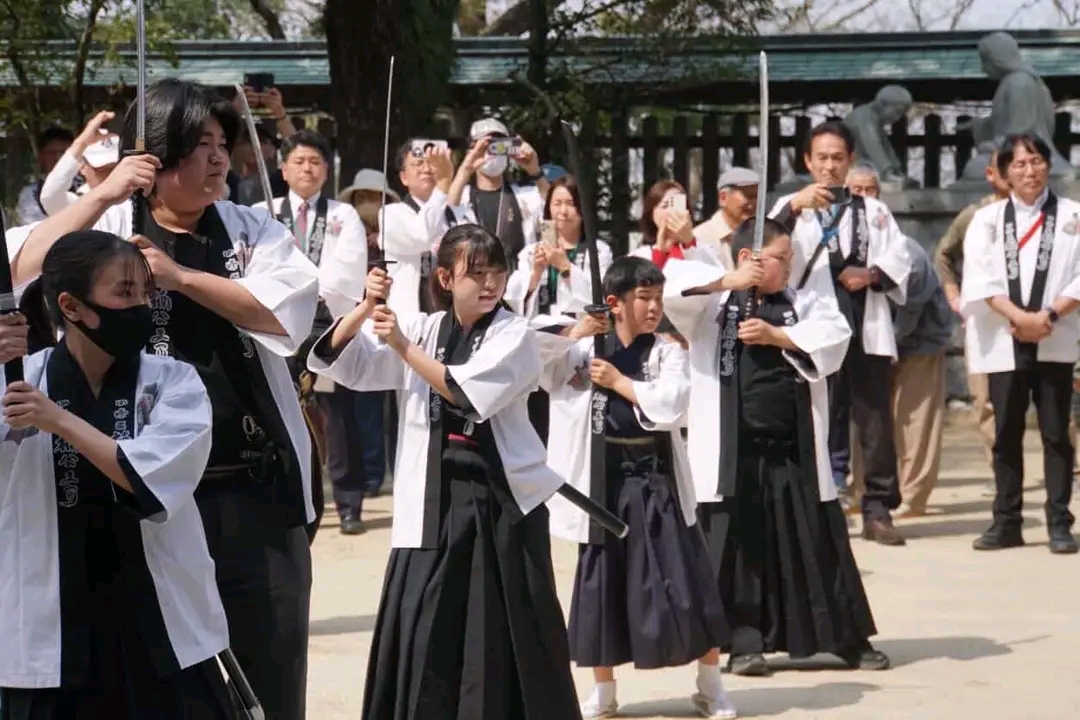
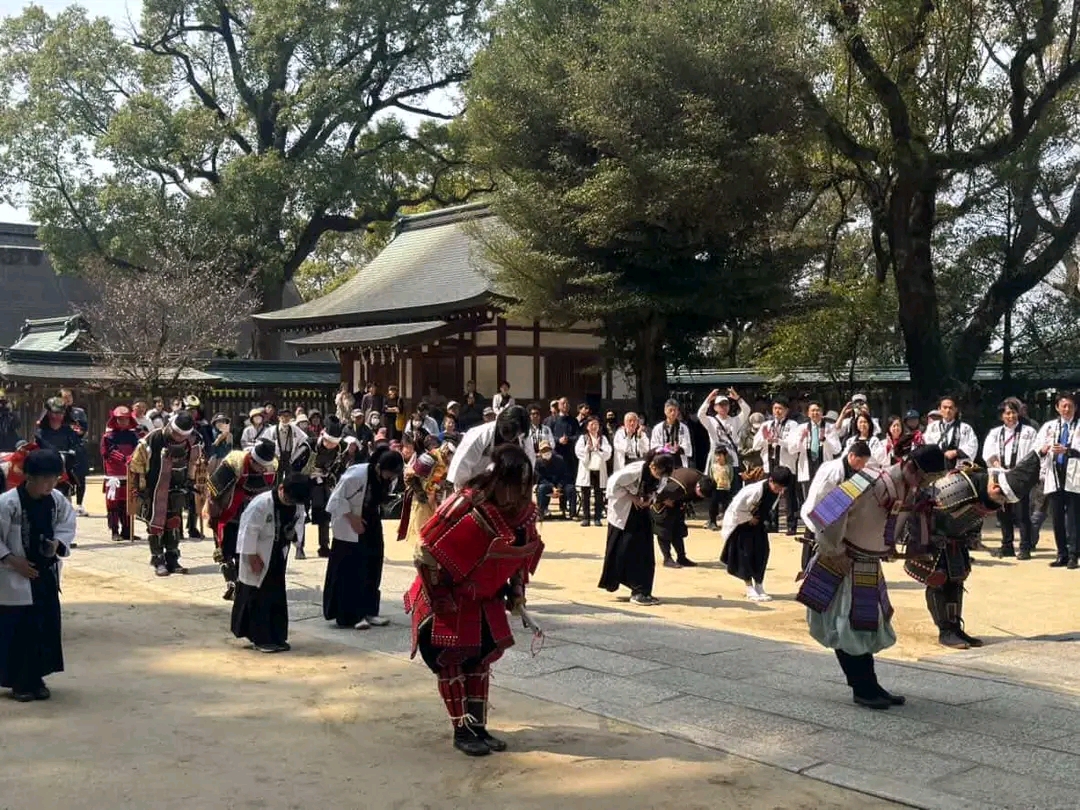
WORLD SAMURAI FEDERATION- JAPAN. Samurai History:- The Samurai were the military warrior class of Japan who played a major role in Japanese society for nearly 700 years. The word "Samurai" comes from the Japanese verb saburau, meaning "to serve." Origins (8th–12th Century) Samurai first appeared during the late Heian period (794–1185). Wealthy landowners employed armed warriors to protect their lands. These warriors gradually became a distinct military class.

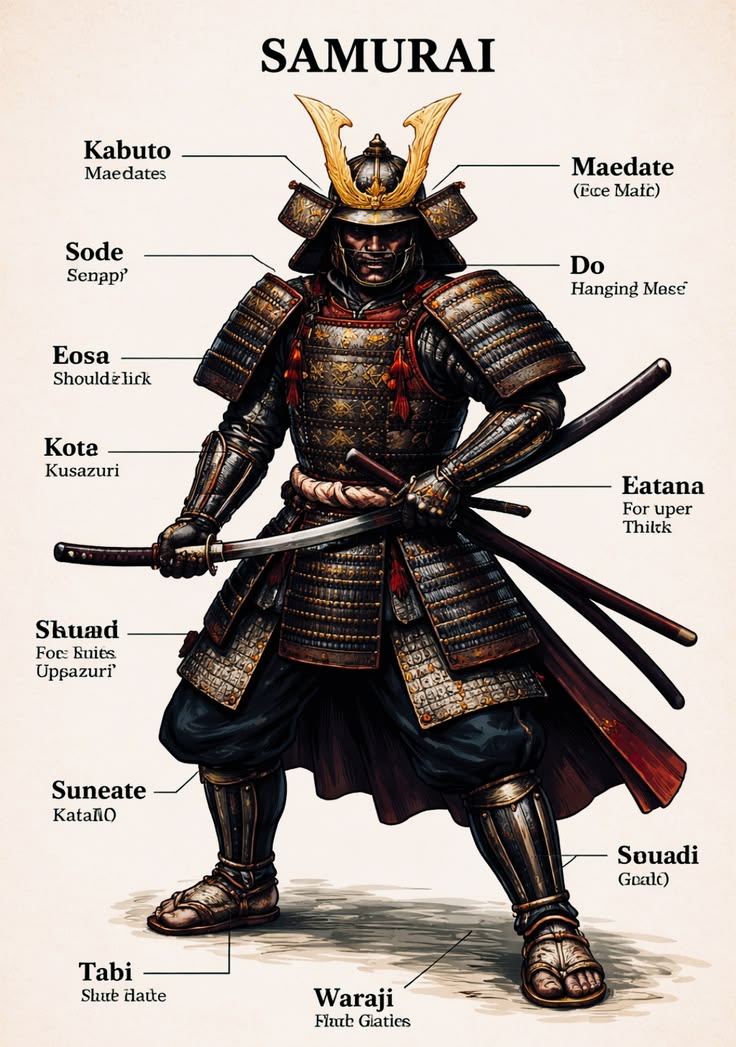
Rise of the Samurai (12th Century) The Samurai gained political power after the Genpei War between the Minamoto and Taira clans. In 1192, Minamoto no Yoritomo became Japan's first Shogun. This established the Kamakura Shogunate, where Samurai ruled under military leadership. Samurai Code – Bushidō Samurai followed Bushidō, meaning "The Way of the Warrior." Core principles included: *Loyalty *Honor *Courage *Respect *Self-discipline *Integrity. A Samurai was expected to serve his lord faithfully, even at the cost of his life. Samurai Weapons Traditional Samurai weapons included: *Katana – the famous curved *Kword. *Wakizashi – a shorter *Companion sword. *Yari – a spear used in battle. *Yumi – a long Japanese bow.

One Member. One Journey. One Global Samurai Family.

Become an official member of the World Samurai Federation and join a worldwide community dedicated to martial arts excellence, personal growth, leadership development, and international friendship.